Comprehending Senior Care Levels: Choosing Between Assisted Living and Other Elderly Care Options
Business Name: BeeHive Homes of Albuquerque NM - Assisted Living Facility
Address: 6401 Corona Ave NE, Albuquerque, NM 87113
Phone: (505) 221-6400
BeeHive Homes of Albuquerque NM - Assisted Living Facility
BeeHive Village is a premier Albuquerque Assisted Living facility and the perfect transition from an independent living facility or environment. Our Alzheimer care in Albuquerque, NM is designed to be smaller to create a more intimate atmosphere and to provide a family feel while our residents experience exceptional quality care. Memory loss, dementia and Alzheimer's disease are becoming quite pervasive in our society. Dementia care assisted living in Albuquerque NM offers catered memory care services, attention and medication management, often in a secure dementia assisted living in Albuquerque or nursing home setting. We invite you to come and visit our elder care and feel what truly makes us the next best place to home.
6401 Corona Ave NE, Albuquerque, NM 87113
Business Hours
Families normally do not start looking into senior care up until something has currently failed. A fall, a missed out on medication, a late-night emergency clinic visit. By the time I satisfy many families, they are exhausted, nervous, and trying to translate a maze of terms: assisted living, memory care, experienced nursing, respite care, home health, hospice.
The terminology can feel abstract, however the choices are not. They figure out whether a parent can hug their friends, whether a partner can sleep through the night, and just how much savings may remain 5 years from now. Getting clear on care levels early, before a crisis, provides you choices you merely do not have when you are under pressure.
This guide walks through how assisted living suits the more comprehensive landscape of senior care, the differences that in fact matter everyday, and how households can match a real individual's requirements to the ideal setting.
How care needs generally change with age
Most older grownups do not move directly from total independence to a nursing home. Requirements normally develop in phases, although the timeline varies.
In the early phase, someone may live individually but require small assistances: a weekly housekeeper, grocery delivery, a neighbor who checks in. At this moment, the main concerns are social seclusion, small safety problems in the house, and the very first tips of forgetfulness. Households frequently see stacks of unopened mail or expired food in the refrigerator long before they see remarkable changes.
Over time, daily jobs begin to slip. Managing multiple medications, safely getting in and out of the shower, preparing routine meals, and keeping up with laundry and fundamental home upkeep start to seem like too much. This is where assisted living and similar elderly care options appear. The goal is to support independence, not to replace it, while getting rid of adequate concern and danger that the person can restore some quality of life.
In later on stages, when somebody has intricate medical needs, advanced dementia, or requires assistance throughout the night, greater levels of care such as memory care or experienced nursing become better suited. The shift is seldom a clean line. I frequently see households try to spot things together in your home long after it has become unsafe, merely because they do not have a psychological map of what else exists.
Understanding each care level assists you avoid 2 typical errors: moving prematurely into a setting that is more restrictive and expensive than required, or waiting so long that a crisis forces a hurried move into the very first offered bed.
Key care settings in the senior care spectrum
Clinical textbooks explain care levels in terms of policies, staffing ratios, and reimbursement models. Households experience them more concretely: who assists Mom with her shower, who notifications if Dad seems more confused, who exists at 2 a.m. If he can not breathe.
Here is how the primary alternatives differ in real life.
Independent living and aging in place
Independent living neighborhoods and aging in location in the house occupy the lowest level of official senior care. The person is largely self-sufficient however may benefit from a supportive environment.
In independent living, older grownups live in private apartment or condos or cottages, with shared dining options, light housekeeping, and social activities. Personnel do not normally provide hands-on support with bathing, dressing, or medications. It works finest for somebody who can manage their own regimens but desires convenience, neighborhood, and a safer environment than a large, aging house.
Aging in location at home depends on family, worked with caregivers, or checking out specialists to offer help. This path offers autonomy and emotional convenience, but it comes with coordination obstacles. Someone needs to manage schedules, backups when caretakers are sick, home security modifications, and transportation. For households who live neighboring and can share responsibilities, it can be really successful. For adult children who live hours away, it can end up being a logistical and emotional strain.
I typically advise families to treat home-based assistance as a versatile layer that can expand and contract as needs change. A couple of hours of assistance every week can ultimately grow into day-to-day help or over night protection without requiring a physical relocation, a minimum of up until medical complexity or cognitive decrease makes home care too difficult or expensive.
Assisted living: the middle ground
Assisted living is created for older adults who do not need 24-hour nursing care, but can not manage securely with just occasional assistance. It is the middle of the senior care spectrum, and for lots of people it is where they invest the majority of their later years.
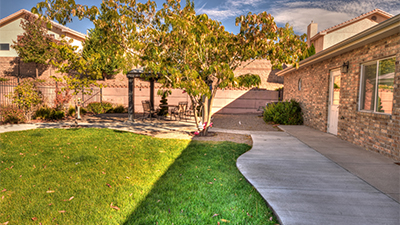
Residents usually reside in personal or semi-private houses. Staff assist with activities of daily living such as bathing, dressing, grooming, toileting, and transferring. They also support so-called crucial activities: handling medications, arranging transport, doing laundry, and in some cases collaborating medical appointments.
What households frequently ignore is the impact of structure. Set up meals, daily check-ins, and on-site activities minimize the turmoil that sneaks into life when an older adult is alone for long stretches. For someone with moderate memory concerns, having staff remind them of meals, occasions, and medications can avoid more major decline.
At its finest, assisted living seems like a small neighborhood, not an organization. Homeowners still lock their doors, choose how to furnish their areas, and select whether to join group activities or keep to themselves. They just do not need to fret about stairs, cooking on a gas range, or keeping in mind every pill on their own.
However, assisted living communities vary widely. Some are more hospitality-focused, with resort-like facilities and lighter care. Others lean toward greater acuity, with more robust staffing and closer ties to doctor. Asking in-depth concerns about what happens when needs boost is vital, because a community that looks perfect today may not have the ability to support someone if they start to need two-person senior care transfers or nightly monitoring.
Memory care: assisted dealing with secure support
Memory care is typically certified either as a separate system within an assisted living community or as a distinct facility under similar policies, depending upon the state. It serves people with moderate to sophisticated dementia who are hazardous in unsecured environments, regardless of their physical strength.
Families usually consider memory care when roaming, substantial confusion, or behavioral changes make basic assisted living or home care unsafe. For example, a person who repeatedly tries to leave the building during the night or thinks strangers remain in their home might require the structured, safe environment of memory care.
Staff in memory care settings receive targeted training on dementia, interaction methods, and behavior management. Buildings are designed to reduce triggers: clear sight lines, circular strolling courses, and visual hints that help locals orient themselves. Activities intend to match abilities, not highlight deficits, which can drastically reduce agitation.
The compromise is a more regulated environment. Doors are locked or alarmed. Options are structured. Personal privacy still matters, but the focus tilts more towards safety than autonomy. For some families, this seems like a relief; for others, it is mentally hard but necessary.
Skilled nursing and rehabilitation
Skilled nursing facilities sit at the highest level of conventional elderly care outside hospitals. They serve two broad groups.
The very first group includes short-stay rehab patients. Think of somebody who had a stroke, hip fracture, or major surgery. They need extensive physical treatment, occupational treatment, and often speech treatment, in addition to close medical tracking. The objective here is to recuperate enough function to return home or to a less intensive setting such as assisted living.
The 2nd group consists of long-term homeowners whose medical or functional requirements exceed what assisted living can reasonably manage. Examples include individuals requiring feeding tubes, complex wound care, regular intravenous medications, or overall support with all activities of daily living. Staffing consists of registered nurses around the clock, and the center must follow more stringent medical regulations.
Families sometimes worry that moving a parent to an experienced nursing facility is a one-way trip. That is not always the case. With strong rehab, many older adults return to assisted living or home. The key is to have clear goals and timelines from the first week, and to remain actively involved in discharge planning rather than assuming the facility will immediately advise the least restrictive option.
Home health, personal task, and respite care
Not every option involves a move. Several services can twist around an older adult any place they live.
Home health is a Medicare-covered service (in the United States) that supplies periodic knowledgeable care at home, such as nursing visits, physical treatment, or injury care, typically after a hospitalization or a change in condition. It is not the like a day-to-day caregiver. Believe visits a couple of times a week for particular medical tasks, rather than continuous assist with bathing or cooking.
Private duty caregivers, employed through agencies or individually, fill that daily support function. They can help with individual care, house cleaning, errands, and companionship. Adequate supervision and preparation are essential, particularly for over night care or complex medications. Expenses accumulate rapidly at high hours, but for the ideal scenario, this path can extend someone's capability to stay in your home significantly.
Respite care bridges gaps. It can indicate a short-term stay in an assisted living or memory care neighborhood, or short-term extra in-home support, so that a household caregiver can rest, travel, or address their own health needs. I have seen lots of hesitant parents agree to a "trial stay" framed as respite care, just to decide they prefer the extra help and social contact. Used carefully, respite can prevent burnout and delay permanent placement.
Signals that assisted living may be the right level
Families typically ask for a list of "signs it is time," as if there were an exact limit. Truth is messier, however some patterns repeat throughout many families I have worked with. Instead of using a rigid checklist, consider these repeating scenarios.
An older adult starts having small mishaps at home: insinuates the shower, burns from the range, or trouble navigating actions. They might brush off these occurrences, however you observe increasing hesitation or fear around particular jobs. A single severe fall can alter the trajectory of someone's health; small ones are early warning signs.
Medication errors end up being regular. Pill organizers sit unblemished. You discover duplicate prescriptions for the exact same drug, filled at various drug stores. Health center visits for conditions that ought to be controlled, such as cardiac arrest or diabetes, become more common. Assisted living staff can manage medication administration, lowering this danger dramatically.
Nutrition and hygiene decline. Your parent who as soon as prided themselves on cool clothing and a neat cooking area starts to wear the same outfit numerous days and lets dishes accumulate. Weight reduction, reoccurring urinary system infections, or dental problems signify that daily routines are getting away from them.
Social withdrawal grows. Even when physically efficient in heading out, the individual rarely leaves home, misses out on religious services or club conferences, and seems unusually anxious about visitors. Seclusion is not simply lonely; it accelerates cognitive and functional decrease. Assisted living neighborhoods, when well run, can reverse this trend.
Caregiver strain becomes obvious. A spouse in their late seventies tries to help their partner transfer from bed to chair, risking their own health. An adult kid invests most evenings managing crises by phone and most weekends capturing up on tasks for their parent, squeezing their own family and work time into the margins. When the support group begins to break, the older adult's stability typically follows.
If numerous of these elements are present, assisted living deserves a serious appearance. It does not indicate someone has actually lost all self-reliance. It implies you are moving from an improvised home-based system, frequently fragile and covert, to a structured environment where assistance is close by.
How assisted living varies from other elderly care options
Assisted living often gets confused with both independent living and nursing homes. The distinctions matter for expectations, security, and cost.
Compared with independent living, assisted living consists of hands-on support with individual care and medication management, plus a higher level of personnel availability. Locals might still enjoy similar apartments and amenities, however there is a care group in place that can increase services as needs grow. Pricing typically reflects this, with base rates plus tiered charges based upon care level.
Compared with proficient nursing, assisted living operates on a more social and less medical design. There might be nurses on personnel, however they normally are not present 24 hours a day, and medical equipment is very little. Laws are lighter. This environment feels more homelike and less scientific, however it is not appropriate for someone who requires constant monitoring or complex treatments.
Memory care is best thought of as an expertise of assisted living, not something entirely separate. Both supply assistance with day-to-day activities, however memory care layers in secure style, greater staffing ratios, and dementia-focused programs. Somebody might start in basic assisted living and later transfer internally to memory care if their cognitive decline progresses.
Home-based plans can look extremely various from assisted living, even when the variety of support hours is similar. In assisted living, personnel can react if a resident falls at 3 a.m. In home care, unless you have day-and-night caretakers, emergencies outside set up hours depend on emergency services or next-door neighbors. On the other hand, staying at home deals familiarity, control over regimens, and in many cases, lower costs at modest care levels.
One of the most beneficial questions to ask yourself is: "Where will assist come from at 2 a.m. If something goes wrong, and how reputable is that plan?" Assisted living, memory care, and knowledgeable nursing supply explicit answers to that concern. Home-based systems typically presume absolutely nothing major will occur outside set up caretaker hours, which is rarely real for long.
Financial and useful trade-offs
Cost is the subject households raise with a mix of fear and confusion. Figures differ commonly by area, but it prevails to see month-to-month assisted living fees in the mid 4 figures, with higher rates for memory care and skilled nursing. Home care can appear less expensive in the beginning look, but when you determine 24-hour coverage at hourly rates, it often surpasses facility costs.
The deeper issue is value. What are you spending for, and what threats are you accepting if you try to save cash by covering services together?
In assisted living, fees usually cover housing, energies, meals, basic house cleaning, some transport, activities, and a defined level of personal care. Extra needs might be billed as add-ons. Unanticipated expense creep is common when somebody's care requirements increase faster than the family realizes. Ask for a written description of how the community figures out care levels and how typically reassessments occur.
Home care expenses scale with hours. A few hours a week may cost reasonably little, once an individual needs aid several times a day or overnight, expenditures mount quickly. Households often underestimate covert costs: home adjustments, emergency tracking systems, and the worth of overdue household caretaker time.
Medicare and comparable insurance programs typically do not spend for long-lasting custodial care, whether in the house or in assisted living. They cover medically necessary services such as experienced nursing, treatment, and hospital care. Long-term care insurance, when offered, can balance out some expenses, however policies differ enormously in what they cover and how benefits are set off. It is vital to examine policy documents rather than depend on presumptions or vague memories of what a representative as soon as described.
I frequently motivate families to consider not simply the regular monthly cost, however also the downstream expenses of preventable hospitalizations, injuries, and caretaker burnout. A a little greater level of structured assistance can in some cases prevent significant expenditures and suffering later.
Using respite care to test and transition
Respite care is one of the most underused tools in senior care, in spite of being exceptionally useful. It uses momentary assistance, normally for a few days to a few weeks, either in the home or in a residential setting such as assisted living or memory care.
In practice, respite serves three important purposes.
First, it gives family caregivers foreseeable breaks. Taking care of a parent or partner is physically and mentally taxing, even when done with love. Regular respite allows caretakers to recharge, take care of their own health, or simply sleep without listening for each small noise in the night. Research studies regularly show that routine breaks decrease anxiety and lengthen a caregiver's ability to continue safely.
Second, respite stays in assisted living or memory care use a low-risk trial. Instead of committing to a long-term move, an older adult can "try out" the community. Many people who insisted they would never ever leave their home discover they value having actually meals prepared, business at the table, and somebody else handling the laundry. Even when they choose to return home, both the family and the community gain valuable insight into what future assistance may look like.
Third, respite supplies a safeguard throughout transitions. After a hospitalization, for instance, someone might not yet be safe to return home alone however might not need the complete intensity of knowledgeable nursing. A short-term respite stay in assisted living, with the choice to extend, can smooth that healing duration and prevent readmission.

If you are thinking about assisted living however facing resistance from your loved one, framing the move as short-lived respite rather than irreversible moving typically reduces defenses. It feels more like a trial collaboration than a permanent decision.

A useful structure for choosing amongst options
Families typically feel pulled between regret, worry, and conflicting advice from good friends or specialists. A more grounded method to approach the decision is to take a look at 3 measurements: current requirements, most likely trajectory, and support capacity.
Here is an easy series numerous families discover handy when comparing assisted living with other elderly care choices:
-
Clarify the individual's daily reality
Spend a full day, or numerous, observing or asking particular concerns about how your loved one manages. Focus on concrete tasks: bathing, dressing, toileting, consuming, walking, medications, and household tasks. Note what they do individually, what they do with effort or danger, and what they currently prevent or stop working to complete. -
Map those needs to care settings
With that photo in hand, match requires to the settings described previously. For example, if they are mostly independent however lonesome, independent living or enhanced home support may be enough. If they require help with numerous personal care jobs and medication management, assisted living ends up being more appropriate. If they are unsafe alone due to dementia, think about memory care. Severe medical intricacy points toward skilled nursing. -
Assess your family's sustainable support
Ask what level of time, physical effort, and psychological energy the family can realistically offer over the next year, not simply the next month. Consist of everyone's work schedules, health problems, and financial limitations. It is much better to be sincere now than to hit a crisis later on because everyone silently presumed somebody else would step in. -
Factor in personal values and personality
Some older adults prosper in community settings, joining every activity and forming brand-new relationships. Others are deeply private and worth control of their environment above practically whatever. Consider their lifelong propensities. An introverted individual might still do well in assisted living if they have a quiet apartment and respectful staff, but they may need more powerful peace of mind about privacy and choice. -
Revisit as conditions change
No choice is irreversible. The right answer this year may be wrong two years from now. Integrate in regular check-ins, perhaps every six months, to ask whether the current arrangement is safe, sustainable, and aligned with your loved one's dignity. Early modifications are far less disruptive than emergency situation moves.
Using this procedure, assisted living emerges not as a vague middle category, but as a very particular match for someone who requires consistent assistance with everyday tasks, a much safer environment, and social structure, but who does not yet require constant medical care.
Final ideas: stabilizing security, self-reliance, and dignity
Senior care choices are hardly ever neat. Brother or sisters might disagree. A parent may refuse any change at first. Financial constraints limit choices. Feelings run high, particularly when functions reverse and adult children start to promote for parents who when took care of them.
Yet there is likewise a chance here. Thoughtful use of assisted living, respite care, and other senior care alternatives can extend not just the length of life, but the quality of the years remaining. The aim is not just to keep somebody alive, but to support them in living as fully and securely as possible within their current abilities.
When examining options, keep returning to three questions.
Is my loved one safe in such a way that is sustainable, not depending on brave efforts every week?
Do they have enough assistance to preserve some joy, function, or comfort in every day life, not simply to survive?
Can this plan flex as their requirements alter, without plunging everybody back into crisis?
If you can address yes to those 3, whether the setting is assisted living, home with robust assistance, or a higher level of elderly care, you are on strong ground. If not, it may be time to reevaluate how the different care levels explained here can work together to develop a more steady and gentle path forward.
BeeHive Homes of Albuquerque NM - Assisted Living Facility provides assisted living care
BeeHive Homes of Albuquerque NM - Assisted Living Facility provides memory care services
BeeHive Homes of Albuquerque NM - Assisted Living Facility provides respite care services
BeeHive Homes of Albuquerque NM - Assisted Living Facility supports assistance with bathing and grooming
BeeHive Homes of Albuquerque NM - Assisted Living Facility offers private bedrooms with private bathrooms
BeeHive Homes of Albuquerque NM - Assisted Living Facility provides medication monitoring and documentation
BeeHive Homes of Albuquerque NM - Assisted Living Facility serves dietitian-approved meals
BeeHive Homes of Albuquerque NM - Assisted Living Facility provides housekeeping services
BeeHive Homes of Albuquerque NM - Assisted Living Facility provides laundry services
BeeHive Homes of Albuquerque NM - Assisted Living Facility offers community dining and social engagement activities
BeeHive Homes of Albuquerque NM - Assisted Living Facility features life enrichment activities
BeeHive Homes of Albuquerque NM - Assisted Living Facility supports personal care assistance during meals and daily routines
BeeHive Homes of Albuquerque NM - Assisted Living Facility promotes frequent physical and mental exercise opportunities
BeeHive Homes of Albuquerque NM - Assisted Living Facility provides a home-like residential environment
BeeHive Homes of Albuquerque NM - Assisted Living Facility creates customized care plans as residents’ needs change
BeeHive Homes of Albuquerque NM - Assisted Living Facility assesses individual resident care needs
BeeHive Homes of Albuquerque NM - Assisted Living Facility accepts private pay and long-term care insurance
BeeHive Homes of Albuquerque NM - Assisted Living Facility assists qualified veterans with Aid and Attendance benefits
BeeHive Homes of Albuquerque NM - Assisted Living Facility encourages meaningful resident-to-staff relationships
BeeHive Homes of Albuquerque NM - Assisted Living Facility delivers compassionate, attentive senior care focused on dignity and comfort
BeeHive Homes of Albuquerque NM - Assisted Living Facility has a phone number of (505) 221-6400
BeeHive Homes of Albuquerque NM - Assisted Living Facility has an address of 6401 Corona Ave NE, Albuquerque, NM 87113
BeeHive Homes of Albuquerque NM - Assisted Living Facility has a website https://beehivehomes.com/locations/albuquerque/
BeeHive Homes of Albuquerque NM - Assisted Living Facility has Google Maps listing https://maps.app.goo.gl/3oqufzNUPNMqK22LA
BeeHive Homes of Albuquerque NM - Assisted Living Facility has Facebook page https://www.facebook.com/BeeHiveHomesAbq
BeeHive Homes of Albuquerque NM - Assisted Living Facility has an YouTube page https://www.youtube.com/channel/UCNFwLedvRtjtXl2l5QCQj3A
BeeHive Homes of Albuquerque NM - Assisted Living Facility won Top Assisted Living Homes 2025
BeeHive Homes of Albuquerque NM - Assisted Living Facility earned Best Customer Service Award 2024
BeeHive Homes of Albuquerque NM - Assisted Living Facility placed 1st for Senior Living Communities 2025
People Also Ask about BeeHive Homes of Albuquerque NM
What is BeeHive Homes of Albuquerque NM Living monthly room rate?
The rate depends on the level of care that is needed. We do a pre-admission evaluation for each resident to determine the level of care needed. The monthly rate is based on this evaluation. There are no hidden costs or fees
Can residents stay in BeeHive Homes until the end of their life?
Usually yes. There are exceptions, such as when there are safety issues with the resident, or they need 24 hour skilled nursing services
Do we have a nurse on staff?
Yes. We have a registered nurse on premise 40 hours/week. In addition, we have an on-call nurse for any after-hours needs
What are BeeHive Homes’ visiting hours?
Visiting hours are adjusted to accommodate the families and the resident’s needs… just not too early or too late
Do we have couple’s rooms available?
Yes, each home has rooms designed to accommodate couples. Please ask about the availability of these rooms
Where is BeeHive Homes of Albuquerque NM located?
BeeHive Homes of Albuquerque NM is conveniently located at 6401 Corona Ave NE, Albuquerque, NM 87113. You can easily find directions on Google Maps or call at (505) 221-6400 Monday through Sunday 9:00am to 5:00pm
How can I contact BeeHive Homes of Albuquerque NM?
You can contact BeeHive Homes of Albuquerque NM - Assisted Living Facility by phone at: (505) 221-6400, visit their website at https://beehivehomes.com/locations/albuquerque/ or connect on social media via Facebook TikTok or YouTube
Take a drive to Cracker Barrel Old Country Store. Cracker Barrel Old Country Store offers familiar comfort food that residents in assisted living, memory care, senior care, elderly care, and respite care can enjoy during relaxed meals.
Ends · WAYLONLRBP768